
- All
- Product Name
- Product Keyword
- Product Model
- Product Summary
- Product Description
- Multi Field Search


Views: 162 Author: Site Editor Publish Time: 2026-07-23 Origin: Site


A plastic part can meet its mechanical requirements and still fail inspection if the color is uneven, dusty pigment contaminates the line, or the shade changes between batches. For manufacturers, coloring is not only an aesthetic step; it affects production stability, material handling, scrap rate, and customer acceptance.
Colorant masterbatch offers a more controlled way to introduce color into plastics, rubber, and other synthetic materials. By using a concentrated, easier-to-dose color system, processors can improve dispersion, reduce handling problems, and decide whether it is a better option than raw pigments, liquid colorants, or pre-colored resin.
A finished product usually exposes color problems before it exposes formulation theory. Streaks, specks, cloudy zones, uneven opacity, and weak shade areas can appear when pigment particles are not distributed well through the base material. In molding and extrusion, these problems may become more obvious around corners, thin walls, flow lines, ribs, or sections where material movement is less uniform. For visible products, that kind of inconsistency can make an otherwise functional part look unacceptable.
Colorant masterbatch helps because the colorant is already pre-dispersed before it enters the main production process. The concentrate melts or blends into the base polymer or rubber compound, allowing the color to spread more evenly through the material. This makes the coloring step more predictable in common production methods such as injection molding, extrusion, blow molding, and rubber processing. Instead of relying on raw pigment to disperse fully during the main manufacturing cycle, the processor starts with a more uniform color concentrate.
Better dispersion is not only about appearance. Poor pigment distribution can affect surface finish, opacity, perceived material quality, and even process stability when agglomerates interfere with melt flow. A part that has the correct average color can still fail quality inspection if the color is uneven across the surface. Using colorant masterbatch gives manufacturers a more controlled starting point, especially when the same shade must be repeated across many production cycles.
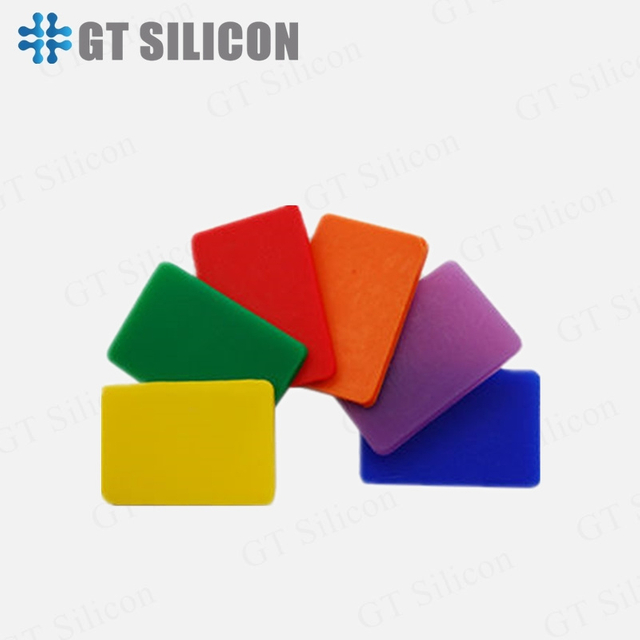
Consistent color depends on more than selecting the right pigment. Operators also need to add the right amount, feed it consistently, and maintain a stable ratio between the concentrate and the base material. When coloring relies on manual powder weighing or inconsistent feeding, small measurement errors can become visible shade differences in the finished product. Those differences matter most when products from different batches are placed side by side.
A pelletized or concentrated system makes dosing easier to control. The masterbatch can be measured according to a defined let-down ratio, and its physical form often feeds more predictably than loose pigment. Similar pellet size and stable feeding behavior help operators maintain repeatability during long runs or repeat orders. This turns color addition into a process variable that can be managed, rather than a source of recurring adjustment.
This benefit is especially important for branded consumer goods, automotive components, appliance parts, packaging, and any product family that must visually match previous production. A customer may not know the technical reason behind a shade mismatch, but they will notice when two parts do not look like they belong together. Colorant masterbatch reduces that risk by making color easier to measure, feed, and reproduce.
Loose pigment powder can create problems long before it reaches the machine. Fine particles may become airborne during weighing, mixing, transfer, or cleanup. They can stain nearby equipment, settle on other materials, and increase the risk of cross-contamination when a facility runs multiple colors. These problems are especially noticeable when dark, bright, or high-strength pigments are handled near light-colored materials.
A cleaner color system improves production discipline. Operators spend less time wiping down containers, sweeping powder, cleaning feeders, or dealing with stained work areas. Reduced dust also helps facilities protect nearby materials from accidental color pickup. That matters in workshops where white, transparent, light-colored, or high-appearance products are processed close to stronger pigments.
Colorant masterbatch does not remove the need for good housekeeping, but it makes the job easier. The colorant is contained in a more manageable form, which reduces the chance of uncontrolled spread during normal handling. For manufacturers that change colors often, that cleaner workflow can be just as valuable as the color performance itself.
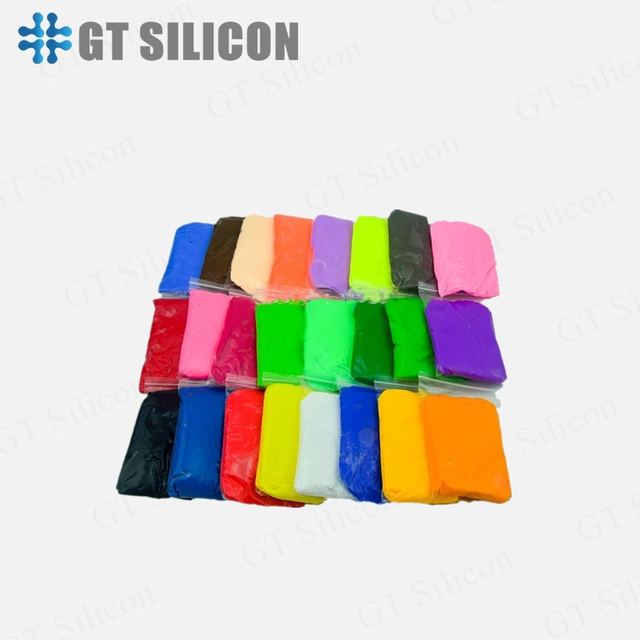
Storage and feeding are easy to overlook when comparing coloring methods on paper. In production, however, the form of the colorant affects how materials are labeled, stored, moved, weighed, and introduced into equipment. Powders can require extra care to prevent spills or moisture exposure, while liquid systems may require pumps, tubes, containers, or agitation depending on the setup. Pelletized masterbatch is usually easier to organize on the production floor.
Small and medium-size manufacturers benefit from this simplicity because not every workshop has highly automated dosing equipment. A stable, concentrated masterbatch can be weighed, staged, and fed with fewer special handling steps. Operators can prepare production runs more quickly when the colorant is easier to identify and measure. Inventory control also becomes more practical when colorants are stored in a compact, less messy format.
Feeding consistency supports the same goal as shade consistency: fewer surprises during production. When material moves through the process predictably, the operator can focus on machine conditions, part quality, and cycle performance rather than correcting color-feed problems. This is one reason colorant masterbatch is widely used in production environments that need both flexibility and repeatability.
The cost of coloring does not end with the purchase price of pigment or concentrate. A color change can involve purge material, machine downtime, rejected first pieces, extra inspection, and operator cleanup. Strong pigments may remain in the equipment and contaminate the next run if cleaning is not thorough. Those hidden losses are often larger than the price difference between two coloring systems.
A cleaner and easier-to-feed system can shorten the practical work around color changes. Less loose residue means fewer surfaces to clean and fewer opportunities for the previous shade to carry into the next product. The advantage becomes more noticeable in facilities that run short batches, custom colors, or frequent product changes. A long production run may hide setup inefficiencies, but a high-mix operation feels them every day.
Colorant masterbatch should therefore be evaluated as part of the whole production routine. The right question is not only “How much does the material cost per kilogram?” A better question is whether the coloring system reduces downtime, purge waste, rejects, and cleanup burden across a normal production month.
A concentrated formulation can reach the target shade at a controlled addition level. When the colorant is well dispersed and matched to the material, less concentrate may be needed to achieve the required appearance compared with a less efficient coloring method. High pigment concentration, pelletized handling, and stable dosing can all support economical use when the formulation is correctly selected. The actual savings depend on the application rather than the product category alone.
That does not mean every masterbatch automatically lowers cost. Dosage depends on the target shade, opacity, base material, wall thickness, processing method, and performance requirements. A pale tint in a translucent product requires a different formulation strategy from a deep opaque color in a thick molded part. The economic benefit must be confirmed through real processing trials, not assumed from the word “high concentration.”
A practical trial should compare the let-down ratio, visual result, scrap rate, and machine behavior. If a lower addition rate still delivers the right color and stable production, the savings can be meaningful. If the dosage must be increased to correct poor compatibility or weak coverage, the apparent cost advantage may disappear. A well-formulated, high-performance colorant masterbatch achieves the target shade at a lower addition rate while maintaining process stability and finished-part quality.
Purchasing teams often compare colorants by unit price, but production teams usually feel the cost of defects. Poor dispersion can create visible specks. Inconsistent dosing can produce shade drift. Weak thermal stability can cause discoloration during processing. Each defect can lead to scrap, rework, delayed shipments, or customer complaints.
A more stable coloring system can reduce these losses. Even when colorant masterbatch costs more per kilogram than raw pigment, it may lower total cost if it improves repeatability and reduces rejected parts. A production run with fewer visual defects, fewer color corrections, and fewer rejected first pieces can be more economical than a run that starts with cheaper colorant but creates more downstream waste.
Total Cost Comparison Box
Cost Factor | What to Check |
Dosage rate | How much masterbatch is needed to reach the target shade |
Scrap rate | Whether color defects decrease after switching |
Cleanup time | How long color changes and equipment cleaning take |
Process stability | Whether shade, opacity, and surface finish remain consistent |
Inventory risk | Whether one system can support repeatable color planning |
The best economic choice is the system that stabilizes production, not simply the cheapest colorant on the quotation sheet. A low-cost pigment can become expensive if it creates extra cleanup, uneven color, or rejected batches. For this reason, manufacturers should calculate cost through usage rate, defect reduction, labor time, and delivery reliability.
Colorant masterbatch is the right fit when a manufacturer needs repeatable color, cleaner handling, controlled dosing, and fewer visible defects. It is especially useful when the finished product has visible surfaces or must match a brand color, product family, or previous production lot. Plastic products, rubber components, fiberglass materials, automotive parts, appliances, household goods, packaging, and consumer items can all benefit when color consistency is tied directly to perceived quality. These applications often require not only color strength but also stable appearance across many production runs.
The method also suits manufacturers that run repeated orders or need predictable inventory planning. Instead of storing large volumes of pre-colored resin for every shade, a processor can often keep natural base material and add the required concentrate during production. That flexibility can reduce obsolescence risk when colors change or customer demand shifts. For custom manufacturing, this can be a practical advantage.
High-mix production is another strong use case. When color changes are frequent, cleaner handling and easier dosing help reduce downtime. If the facility has had recurring problems with powder cleanup, shade drift, or visible specks, moving to a well-matched masterbatch system can solve more than one issue at the same time.
Colorant masterbatch is useful because it turns color addition into a more controlled production step. Better dispersion, cleaner handling, stable dosing, and reduced shade variation can help manufacturers lower scrap, simplify changeovers, and maintain more consistent product appearance across repeated runs.
Dongguan Gangtian Polymer Materials Co., Ltd. supports these needs with colorant masterbatch products designed for practical manufacturing use, including plastics, rubber, fiberglass, and related materials. When selected according to base material, processing temperature, dosage, and final-product testing, the right formulation can improve efficiency without forcing manufacturers to compromise color stability or process reliability.
A: Colorant masterbatch is a concentrated blend of pigments, dyes, or additives dispersed in a carrier resin, then added to base materials during plastic processing.
A: It is easier to dose, creates less airborne dust, reduces contamination risk, and helps manufacturers achieve more consistent color than handling loose pigment powder.
A: Yes. Because pigments are pre-dispersed in a carrier, masterbatch helps reduce streaks, shade variation, weak color zones, and visible defects in finished parts.
A: It can reduce cost when accurate dosing, lower scrap, shorter cleanup, and fewer rejected parts outweigh the material price difference compared with other coloring methods.
A: Check base material compatibility, processing temperature, let-down ratio, target shade, opacity, surface finish, and final product performance under real production conditions.


