
- All
- Product Name
- Product Keyword
- Product Model
- Product Summary
- Product Description
- Multi Field Search


Views: 0 Author: Site Editor Publish Time: 2026-09-28 Origin: Site


The history of silicone elastomers represents far more than a simple timeline of chemical discoveries. It serves as a definitive roadmap for solving complex engineering challenges across industrial, medical, and aerospace sectors. Decades ago, engineers faced massive material failures under harsh operating conditions. Today, they rely on advanced synthetic polymers to survive extreme environments. Understanding the legacy of silicone rubber development directly impacts how you select modern materials. It guides crucial regulatory compliance decisions and helps mitigate serious production risks. We present this article as a practical technical and commercial guide. It explores how historical chemical advancements dictate today's stringent material specifications. You will learn how past innovations shape modern manufacturer evaluation criteria. Let this comprehensive overview inform your next critical engineering project.
The fundamental Si-O (siloxane) backbone was developed to solve extreme temperature and durability failures of natural and early synthetic rubbers.
Major commercial shifts—from High Consistency Rubber (HCR) to Liquid Silicone Rubber (LSR)—were driven by the need for automated, high-precision manufacturing.
Historical controversies and subsequent regulatory scrutiny in the medical sector forged the stringent biocompatibility standards (USP Class VI, ISO 10993) used today.
Selecting a modern silicone elastomer manufacturer requires evaluating their capability to match specific historical curing innovations (e.g., platinum addition curing) to your specific production scalability and compliance needs.
During the 1930s and 1940s, industrial engineers faced a severe manufacturing bottleneck. Natural rubber degraded rapidly under high thermal stress and heavy electrical loads. Electric motors ran hotter than ever before. Aviation components pushed traditional organic materials past their structural breaking point. High-altitude bombers experienced freezing temperatures. These extreme cold snaps caused natural rubber gaskets to shatter. The aviation sector needed something far more durable. This urgent demand sparked a major chemical breakthrough.
Scientists synthesized the first usable polysiloxanes in response to this crisis. By examining early polysiloxane history, we see a brilliant structural shift. Chemists fundamentally replaced the carbon-carbon backbone of organic rubber. They utilized a silicon-oxygen (Si-O) backbone instead. This inorganic framework inherently solved the devastating thermal degradation problem. The Si-O bond boasts significantly higher bond energy. It resists extreme heat and ultraviolet light naturally. It also remains flexible at exceptionally low temperatures.
This breakthrough moved the material from a laboratory curiosity to commercial reality. Scalable military and industrial applications emerged rapidly during World War II. Factories used the new compound to insulate aircraft generator coils. It sealed critical searchlight lenses exposed to extreme heat. These early deployments established the material's baseline return on investment. Engineers expect extreme longevity in harsh environments. We still rely on this core value proposition today.
We can map out the evolution of commercial silicone formats easily. They align directly with specific manufacturing methodologies used globally today. The timeline of silicone material innovation highlights three distinct solutions. Each format solved a unique production challenge.
First came High Consistency Rubber (HCR). Industry experts also call it Heat Vulcanized Rubber (HTV). HCR was the original industry standard. It behaves much like stiff clay before processing. It remains best for extrusion and calendering processes. You evaluate HCR when producing continuous profiles like tubes or flat sheets. Historically, manufacturers relied heavily on peroxide curing for HCR. This process worked well but left acidic byproducts behind. Later, the industry shifted toward platinum addition curing. Platinum curing produces exceptionally clean parts. It eliminates volatile byproducts entirely.
Next, chemical engineers developed Room-Temperature Vulcanizing (RTV) systems. They created it specifically for in-situ applications. RTV cures without requiring any additional thermal energy. This makes it ideal for potting and encapsulation. Industrial sealing tasks rely heavily on RTV formats. You use it when heat curing would destroy sensitive electronic components.
Finally, Liquid Silicone Rubber (LSR) arrived in the late 1970s. It acted as a massive game-changer for high-volume manufacturing. LSR flows easily and cures rapidly under heat. This enabled fully automated, closed-loop injection molding. When evaluating LSR, you must weigh upfront tooling costs against long-term benefits. Tooling requires a high initial capital investment. However, the per-part cost drops drastically at scale. LSR also delivers a massive defect-rate reduction. It requires almost no manual flash removal.
Commercial Silicone Format Comparison
Format | Primary Processing Method | Historical Catalyst | Modern Best Fit |
|---|---|---|---|
High Consistency Rubber (HCR) | Extrusion, Calendering, Compression | Need for durable wire insulation | Continuous tubing, flat profiles, low-volume parts |
Room-Temperature Vulcanizing (RTV) | Dispensing, Potting, Coating | Need for non-thermal field sealing | Electronic potting, industrial adhesives |
Liquid Silicone Rubber (LSR) | Injection Molding | Need for high-speed, automated production | High-volume medical parts, precision seals |
History forces industrial sectors to mature. The 1980s and 1990s brought pivotal moments for synthetic elastomers. Widespread controversies regarding silicone implants shook public trust globally. These events forced a critical examination of raw material safety. The industry faced intense, unprecedented regulatory scrutiny. To address risk, chemical manufacturers had to evolve their purification processes quickly.
They developed hyper-pure, medical-grade formulations. This era standardized strict regulatory definitions. We now clearly distinguish between "implantable" and "non-implantable" healthcare grades. Implantable grades undergo long-term biological testing. Non-implantable grades suit short-term skin contact or fluid transfer. This historical shift completely reshaped manufacturing protocols. Cleanroom environments became mandatory for medical production.
This regulatory maturation impacts how we evaluate raw materials today. You must apply strict security and compliance lenses to every project. Material certifications act as your baseline guarantee against failure. FDA 21 CFR 177.2600 sets strict rules for food contact applications. USP Class VI defines rigorous biological reactivity testing for medical devices. ISO 10993 provides a global standard for biocompatibility. These certifications guarantee low extractables and high chemical inertness. They ensure the cured material will not leach dangerous compounds. When auditing a supplier, demand comprehensive proof of these compliance standards. Never accept uncertified materials for critical applications.
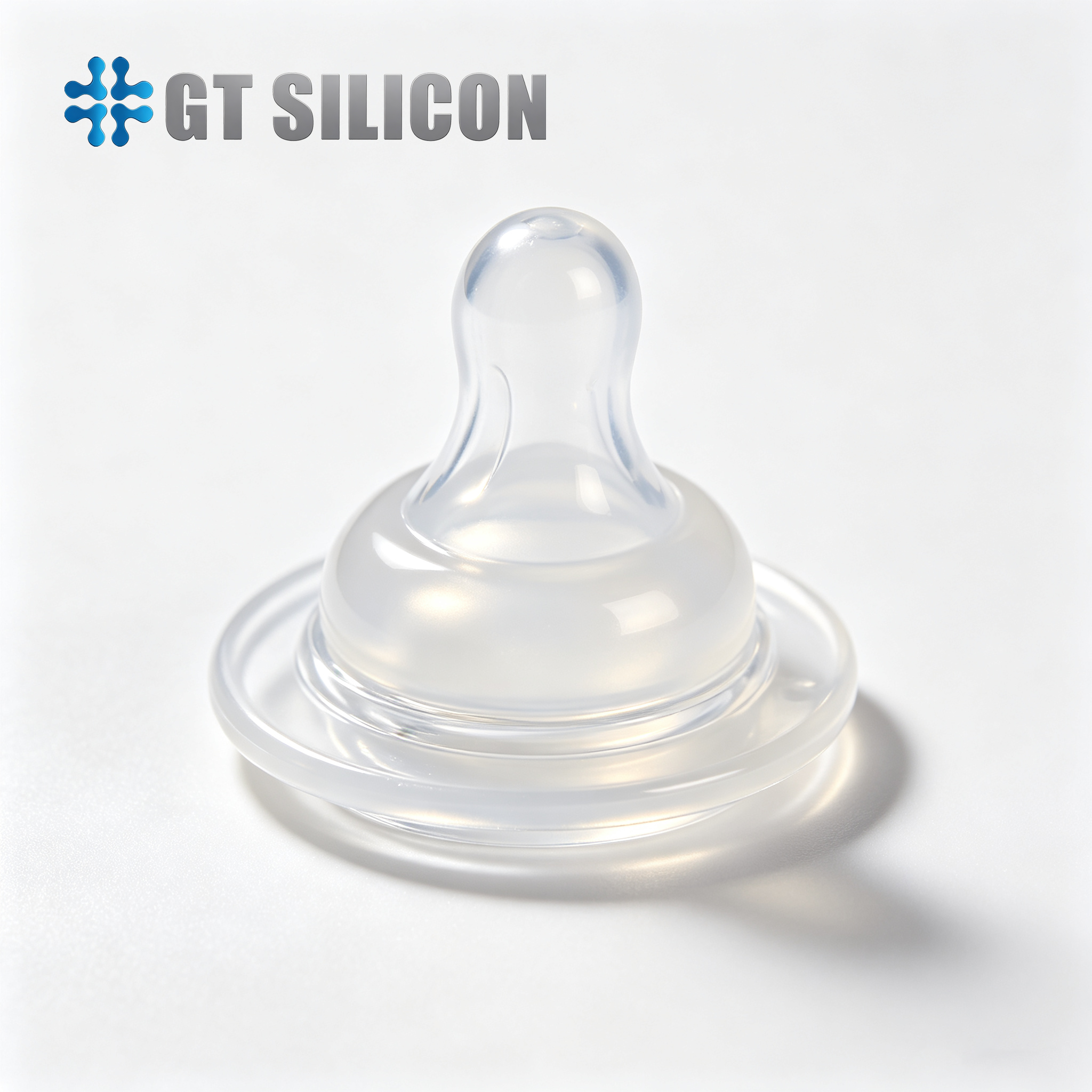
Historical material improvements directly power today's cutting-edge technologies. The most demanding silicone rubber applications rely entirely on decades of iterative refinement. Engineers translate raw chemical features into reliable functional outcomes. We can observe these practical outcomes across three major industrial sectors.
Automotive & EV: Early thermal resistance upgrades translate directly into modern electric vehicle safety. Engineers use specialized formulations for EV battery potting. This protects delicate cells from thermal runaway. The material acts as an elite connector seal against moisture. High-voltage cables use it for robust insulation. It withstands both engine heat and freezing winter conditions.
Healthcare & Wearables: Biocompatibility advancements paved the way for modern digital health. Today, we see highly purified grades in skin-contact wearable monitors. The material prevents skin irritation during prolonged use. It forms highly sterile, flexible fluid management tubing for hospitals. Surgeons rely on precision micro-molded surgical devices. These tools require hyper-pure grades that will not degrade during steam sterilization.
Aerospace & Defense: The aerospace sector continuously relies on the material's original value proposition. Modern spacecraft need materials that maintain elastomeric properties from -60°C to +250°C. Advanced avionics require low-outgassing seals to prevent optical contamination in space. Spacecraft gasketing uses these advanced formulations to survive aggressive atmospheric exit and reentry conditions.
Selecting the right production partner requires a stringent vendor evaluation framework. You must assess their capability to deliver on modern technological promises. Can they navigate the complexities of precision engineering? Follow these logical steps to evaluate a prospective silicone elastomer manufacturer before signing any contracts.
Assess Process Expertise: Determine if they possess proprietary manufacturing knowledge. Do they excel in automated LSR injection molding or traditional HCR compression molding? A strong partner must guide your design-for-manufacturability (DFM) phase early. They should help optimize parting lines and eliminate potential flash issues.
Evaluate Curing Technology & Cleanliness: Inspect their production facilities closely. Look for dedicated platinum-cured processing capabilities. They need ISO-certified cleanrooms (Class 7 or 8) for medical and food grades. Ensure they offer controlled post-curing ovens. This step is vital to eliminate volatile organic compounds (VOCs) and stabilize physical properties.
Analyze Supply Chain & Scalability Risks: Global siloxane supply chains face extreme periodic volatility. Evaluate their raw material sourcing strategies. Do they rely on a single geographical region? Verify their ability to scale production smoothly. They must transition from initial prototyping to millions of units. They must achieve this volume without any dimensional quality drift.
The history of these synthetic polymers showcases an ongoing trajectory of mechanical innovation. We constantly push toward higher purity levels, tighter dimensional tolerances, and faster curing times. Engineers successfully solved the severe thermal degradation issues of the 1930s. Today, they manage complex micro-molding processes for critical medical devices.
You must move beyond reviewing generic specification sheets. Do not rely solely on basic marketing data. Schedule a comprehensive material consultation with your short-listed vendors. Audit their internal DFM processes and cleanroom capabilities firsthand. Use this historical context to demand better quality, safer processing, and scalable reliability from your chosen manufacturing partners. Make informed decisions based on a deep understanding of material legacy.
A: Natural rubber relies on a carbon-carbon molecular backbone. This organic structure degrades quickly under high heat or continuous UV exposure. Silicone rubber utilizes an inorganic silicon-oxygen (Si-O) backbone. This synthetic structure boasts much higher bond energy. It inherently resists extreme thermal stress, ozone, and UV radiation, ensuring significantly longer lifespans in harsh environments.
A: The industry shifted to platinum addition curing to achieve higher material purity. Peroxide curing leaves behind acidic byproducts. It requires extensive thermal post-curing to remove volatile organic compounds. Platinum curing produces no dangerous byproducts and yields clearer, stronger parts. This clean process is vital for achieving strict medical compliance and food-grade safety standards.
A: No, it depends entirely on your specific project requirements. LSR excels in high-volume, automated injection molding due to rapid cure times and high precision. However, it requires a massive upfront tooling budget. HCR remains the better, more cost-effective choice for lower production volumes, continuous extrusion profiles, and medical calendering processes.
A: Silicone production depends heavily on raw silicon metal sourcing. Historically, silicon metal faces cyclic market constraints and energy-intensive processing bottlenecks. Global energy costs and geopolitical shifts impact raw material availability frequently. These historical supply chain volatilities directly influence the fluctuating price, lead times, and availability of modern synthetic elastomers.


