
- All
- Product Name
- Product Keyword
- Product Model
- Product Summary
- Product Description
- Multi Field Search


Views: 0 Author: Site Editor Publish Time: 2026-09-25 Origin: Site


Material selection serves as the defining factor in product lifespan, safety compliance, and manufacturing scalability. Every industrial project relies heavily on these choices. Choosing the wrong base polymer often leads to premature wear. Parts fail unexpectedly. This triggers chemical degradation or costly product recalls. You cannot afford arbitrary material decisions in high-stakes manufacturing environments.
We must transition from basic material science to an actionable evaluation framework. This guide serves engineers and procurement teams sourcing commercial-grade polymers. You will learn the exact structural differences between organic and artificial elastomers. We will explore how specific environments demand highly tailored compounding strategies. This knowledge ensures your next production run hits both performance benchmarks and budget targets seamlessly.
Understanding what elastomer materials actually consist of requires a brief look at polymer science. At a molecular level, these materials feature long, coiled chains of molecules. These chains stretch under stress and return to their original shape. This unique property defines elasticity. However, raw polymers lack structural stability. They melt in the heat and turn brittle in the cold. We use a critical chemical process called vulcanization to fix this. Vulcanization applies heat and pressure to cross-link the polymer chains. This transforms raw, gummy materials into durable, usable industrial products.
Natural variants originate from agricultural sources. Workers extract a milky latex sap primarily from the Hevea brasiliensis tree. This organic sap undergoes coagulation and refinement. The resulting polymer consists almost entirely of polyisoprene. This organic structure grants natural polymers incredible inherent tensile strength. They also boast superior tear resistance. Industries rely on this organic origin for dynamic applications where physical stress is constant. The molecular chains in natural latex slide past each other seamlessly. This creates minimal internal friction during heavy use.
Synthetic origins present a completely different chemical pathway. Scientists engineer these artificial elastomers from petrochemical byproducts. Facilities polymerize raw chemical monomers. Common building blocks include butadiene, styrene, and chloroprene. Engineers manipulate these chemical structures at the microscopic level. They create artificial polymers designed for targeted resistances. You can formulate synthetics to repel oil, resist harsh acids, or endure intense ultraviolet radiation. This level of customization makes artificial polymers indispensable for modern manufacturing.
The procurement reality highlights major differences in supply chain stability. Agricultural dependencies dictate the natural latex market. Climate conditions, tree diseases, and seasonal yields impact raw material availability. In contrast, the synthetic market ties directly to the global crude oil industry. Fluctuations in petroleum prices immediately affect synthetic production costs. Procurement teams must monitor these distinct market forces. They must anticipate shortages or price hikes based on the origin of their chosen material.
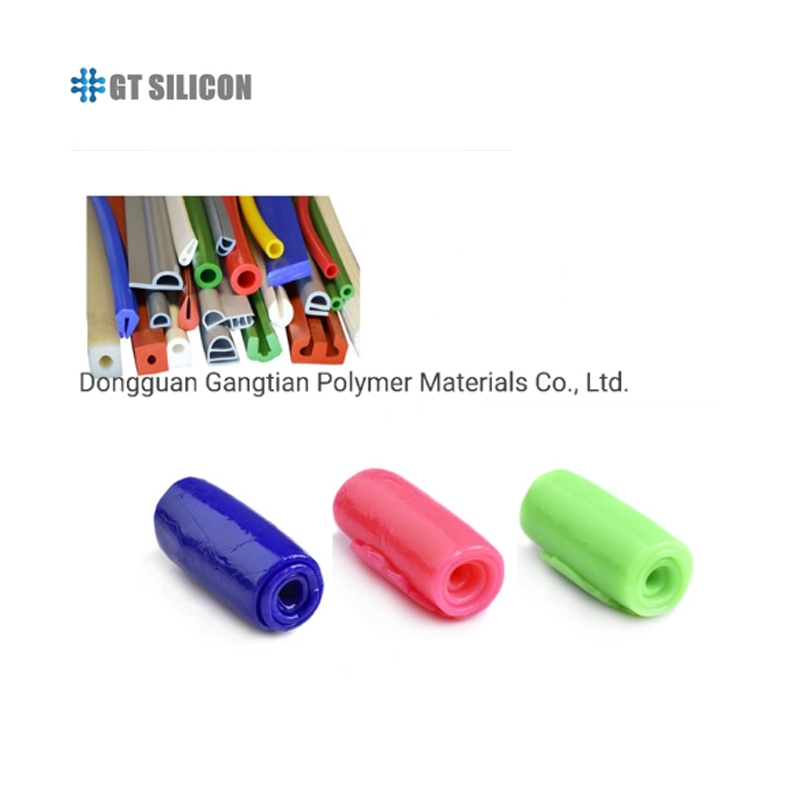
Evaluating natural rubber vs synthetic rubber requires analyzing distinct mechanical and environmental trade-offs. Mechanical performance often dictates the initial selection. Natural polymers demonstrate absolute superiority in dynamic applications. They excel at vibration dampening. They provide high friction coefficients. Their tear resistance remains largely unmatched. You will find natural latex dominating heavy truck tire production and massive industrial shock absorbers. The material absorbs physical punishment without generating excessive internal heat.
Conversely, synthetic polymers dominate static, harsh operational environments. They offer excellent abrasion resistance over prolonged periods. Synthetics maintain structural integrity when pressed firmly against moving metal parts. They also handle weathering far better than their organic counterparts. If your application involves static sealing mechanisms, synthetics usually provide the optimal mechanical solution.
Environmental and chemical vulnerabilities expose the greatest differences between the two categories. Natural latex carries significant inherent risks. It degrades rapidly when exposed to ultraviolet light. Ozone attacks its chemical bonds, causing deep surface cracking. Oils and industrial solvents easily dissolve natural polyisoprene. You must keep organic latex away from petroleum products. These environmental weaknesses restrict natural polymers primarily to protected or indoor mechanical applications.
Synthetic variants offer targeted chemical resistance. Nitrile (Buna-N) effortlessly repels petroleum-based oils and fuels. Neoprene resists weathering and moderate chemical exposure. These artificial options survive where organic materials fail instantly. They handle acids, alkalis, and aggressive hydraulic fluids. Engineers select specific synthetic families to counter exact environmental threats present in the end-use location.
A cost-to-outcome analysis guides final procurement decisions. You must balance upfront raw material expenses against overall outcome efficiency. Natural latex often presents a lower initial bulk cost. However, placing it in an ozone-rich environment guarantees premature failure. Frequent part replacements destroy project budgets. Investing in a higher-grade synthetic upfront costs more initially. It pays dividends by eliminating downtime. Maintenance budgets shrink when parts survive their expected lifespan. You must evaluate replacement frequency rather than just looking at the initial invoice.
Table 1: Material Performance and Resistance Comparison
| Performance Dimension | Natural Polymer (Isoprene) | Synthetic Polymers (General) |
|---|---|---|
| Tensile Strength | Excellent | Good to Excellent (varies by type) |
| Tear Resistance | Superior | Moderate to Good |
| Oil/Petroleum Resistance | Poor | Excellent (Nitrile, FKM) |
| Ozone/UV Resistance | Poor | Excellent (EPDM, Neoprene) |
| Dynamic Heat Buildup | Very Low | Moderate to High |
Standard material options often face immediate disqualification based on severe application stress. Standard natural or synthetic polymers fail rapidly at extreme temperature thresholds. They harden and shatter in deep freezing conditions. They soften and melt near heavy engine exhaust systems. When environmental demands push beyond standard limits, engineers must look beyond traditional petrochemical options. High-performance situations require specialized molecular backbones.
This is where silicone rubber provides a distinct engineering advantage. It relies on a unique silicon-oxygen backbone rather than a traditional carbon backbone. This structural difference unlocks incredible thermal stability. Silicone effortlessly handles extreme high heat up to 230°C. It simultaneously maintains flexibility in sub-zero environments down to -60°C. Beyond thermal performance, silicone offers supreme purity. It serves as the primary material for medical-grade tubing and surgical seals. It also meets rigorous FDA food-safe compliance standards. You will find it in commercial baking equipment and infant care products.
Other high-performance synthetics solve different edge-case failures. EPDM stands out as the ultimate solution for outdoor weathering. It shrugs off constant UV exposure, heavy rain, and harsh ozone. Roofers and automotive door seal manufacturers rely entirely on EPDM. FKM, widely known as Viton, serves the aerospace and automotive sectors. It provides aggressive chemical resistance against exotic jet fuels, synthetic lubricants, and high-temperature engine fluids. FKM survives chemical attacks that would destroy lesser materials in seconds.
Navigating these specialized materials requires strict adherence to compliance and certification criteria. You cannot guess which material works best. You must match the physical properties to industry-standard evaluation lenses. ASTM D2000 provides a structured system for classifying elastomers by heat and oil resistance. ISO standards dictate international quality baselines. FDA regulations govern anything contacting human consumables or tissue. Your chosen specialized material must carry the correct documented certifications before entering assembly.
Engineers rarely use baseline rubber in its pure, raw state for industrial applications. A raw polymer acts only as a starting foundation. It lacks the specific traits needed to survive in the field. Assuming the base material dictates everything is a common engineering mistake. The raw matrix requires significant chemical modification. It needs structural reinforcement and environmental shielding to function properly.
Engineering the recipe transforms a weak base elastomer into a highly functional rubber compound. Chemists blend the raw polymer with specific additives to achieve target properties. This mixing process requires exact measurements and thermal controls. The final recipe dictates the success or failure of the molded part. Every ingredient serves a precise operational purpose.
We classify these crucial chemical additives into several functional categories:
Prototyping and testing validate the custom recipe before full-scale rollout. You cannot rely on theoretical chemistry alone. Engineers subject prototype batches to rigorous physical testing. They measure the durometer to ensure correct hardness. They conduct tensile testing to see when the material snaps under tension. They evaluate compression set to confirm the material bounces back after prolonged crushing. Only after passing these empirical tests does the compound move to mass production.
Selecting the right rubber manufacturer mitigates catastrophic implementation risks. The capabilities of your manufacturing partner directly impact product viability. You must evaluate formulation ownership and transparency. Many suppliers rely on proprietary "black box" blends. They refuse to share the exact chemical makeup of the compound. This creates severe vendor lock-in. If their material fails, you lack the data needed to diagnose the problem. Demand transparent material data sheets. You must own or clearly understand the formulation.
Scalability and consistency present another major risk vector. Creating a perfect prototype means nothing if the supplier cannot scale. Batch-to-batch variation plagues lower-tier manufacturers. A slight miscalculation in curing agents ruins thousands of parts. You must verify their quality control infrastructure. Discuss their ISO-certified quality management systems. Ensure they utilize automated weighing and mixing equipment to eliminate human error during mass production runs.
Developing a strict shortlisting logic protects your supply chain. Look for specific operational criteria when evaluating a supplier:
The "best" polymer is entirely dependent on the specific operational environment and compliance requirements of your end product. Natural latex dominates dynamic, heavy-friction scenarios. Synthetic variants conquer oily, abrasive, and outdoor environments. Specialized materials like silicone handle extreme thermal and medical demands. No single material solves every engineering challenge.
Partnering with an experienced compounder mitigates the risk of catastrophic material failure. They transform raw polymers into durable, application-specific solutions. Do not leave your material selection to guesswork. Consult with an application engineer to evaluate your operational environment. Request a detailed material data sheet for your current parts. Submit your environmental specifications today for a comprehensive custom compound review.
A: No, synthetic options cannot completely replace natural latex. Natural polymers maintain unmatched dynamic properties. They generate very little internal heat under constant flexing. This makes natural latex absolutely necessary for heavy-duty applications. Aviation tires, heavy truck tires, and massive industrial vibration isolators still rely heavily on organic formulations to prevent structural failure under extreme stress.
A: Vulcanization fundamentally alters the molecular structure of the raw polymer. The process applies heat alongside curing agents, usually sulfur or peroxides. This triggers a chemical reaction that creates cross-links between the long, independent polymer chains. These strong chemical bridges lock the molecules together. This transforms a sticky, easily deformed raw material into a permanently elastic, durable industrial product.
A: Yes, it falls under the synthetic category, but it differs vastly from traditional options. Standard synthetics utilize a carbon-to-carbon polymer backbone derived from petrochemicals. Silicone relies on a unique silicon-to-oxygen (siloxane) backbone. This inorganic structure provides silicone with extreme temperature resistance and chemical inertness that traditional carbon-based synthetics cannot achieve.
A: Lifespan depends entirely on the operational environment and the specific chemical formulation. Mechanical stress, UV exposure, chemical contact, and extreme temperatures constantly degrade the material. A well-engineered compound operating within its designed parameters can last decades. However, applying the wrong compound in a harsh environment causes failure in weeks. This variability prevents manufacturers from offering arbitrary lifespan guarantees.


