
- All
- Product Name
- Product Keyword
- Product Model
- Product Summary
- Product Description
- Multi Field Search


Views: 174 Author: Site Editor Publish Time: 2026-04-14 Origin: Site


Silicone rubber, known for its excellent thermal stability, chemical resistance, and electrical insulating properties, has become an essential material in various industries, including automotive, healthcare, electronics, and consumer goods. But how is this versatile material made? The process of manufacturing injection silicone rubber involves several stages, each requiring precision and attention to detail. From raw material preparation to the final curing process, each step plays a significant role in determining the quality of the final product. This comprehensive guide will take you through the entire silicone rubber production process, highlighting the essential stages, materials, and methods involved.
Before delving into the production process, it’s essential to understand what silicone rubber is. Silicone rubber is a synthetic polymer made from silicon, oxygen, carbon, and hydrogen. This versatile material is known for its durability and resistance to extreme temperatures, making it suitable for applications in a wide variety of industries, including the manufacturing of seals, gaskets, electrical insulations, and medical devices.
The production of silicone rubber begins with selecting the appropriate raw materials. These materials include:
· Silicon Dioxide (SiO2): A natural material extracted from sand, which provides the base for the silicone rubber.
· Methylchlorosilane: A chemical compound used to create silicone polymers.
· Curing Agents: These are used to solidify the silicone rubber and are usually added in the form of peroxide or platinum-based compounds.
· Fillers and Additives: These materials are included to modify the physical properties of the rubber, such as enhancing its durability, flame resistance, or color.
These raw materials are combined in precise quantities to create the silicone rubber compound. The choice of additives and curing agents can impact the final product’s flexibility, hardness, and temperature resistance.
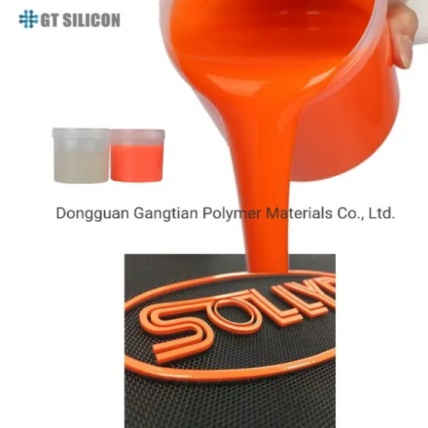
The process of making injection silicone rubber involves several intricate stages, each requiring precise control to ensure the material meets the desired specifications. Silicone rubber is a highly versatile material that is used in a wide range of industries due to its excellent thermal stability, chemical resistance, and electrical insulating properties. However, the manufacturing process is complex and must be carefully managed to ensure the highest quality of the final product.
In this article, we will break down the four key stages in silicone rubber production: mixing and compounding, molding and shaping, curing (vulcanization), and post-curing and finishing. Each step plays an essential role in determining the final characteristics of the silicone rubber, making it suitable for its many diverse applications.
The first step in the silicone rubber manufacturing process is mixing and compounding the raw materials. This stage involves combining the silicon-based polymer with various additives, fillers, and curing agents. These materials are carefully blended to ensure an even consistency. The result is a rubber compound that can be processed further into finished products.
Key Points in Mixing:
· The rubber must be mixed thoroughly to ensure the proper dispersion of curing agents and additives.
· The mixture’s viscosity is carefully controlled to make it suitable for molding processes such as injection molding.
After the mixing process, the silicone rubber compound is shaped into the desired form. There are several methods used to shape the rubber, with injection molding being one of the most popular techniques. During injection molding, the rubber compound is injected into a mold under high pressure, where it takes the shape of the mold cavity.
Injection Molding Process:
· The rubber compound is first heated to reduce its viscosity and make it flow easily.
· The compound is then injected into the mold, where it is pressed into shape.
· Molds are carefully designed to create the exact dimensions required for the finished part.
This method is particularly effective for producing large quantities of silicone rubber parts with consistent quality.
Curing, or vulcanization, is a critical step in the production of injection silicone rubber. During curing, the rubber undergoes a chemical reaction that transforms it from a viscous liquid into a solid, elastic material. Curing agents, such as peroxide or platinum-based compounds, are added to the mixture before molding to initiate this reaction.
Curing Process:
· Heat and Time: The mold is heated to a specific temperature, typically ranging from 120°C to 200°C, and held at this temperature for a set amount of time.
· Cross-linking: The curing agents cause the silicone polymer chains to cross-link, creating a network that gives the rubber its final properties, such as flexibility and resilience.
Curing is crucial for ensuring the silicone rubber’s durability, strength, and resistance to heat and chemicals. The curing process can be carried out in different types of ovens or curing chambers depending on the production requirements.
Once the silicone rubber has been molded and cured, it often undergoes a post-curing process. This step involves additional heat treatment to further improve the material’s strength, stability, and resistance to environmental factors such as UV radiation.
Post-curing can also help eliminate any residual solvents or by-products from the curing process. After post-curing, the silicone rubber is cooled and can be subjected to finishing processes such as trimming, painting, or coating.
Key Finishing Steps:
· Trimming: Excess material from the molding process is removed to ensure the final part meets specifications.
· Surface Treatment: The surface of the rubber may be treated to enhance adhesion or improve aesthetics, depending on the application.
Injection silicone rubber is a versatile material known for its durability, heat resistance, and flexibility, making it ideal for a wide range of industries. From automotive to electronics, medical devices, and consumer goods, its ability to withstand extreme temperatures and harsh environments while maintaining excellent performance makes it indispensable in many applications. Below are some of the most common uses of injection silicone rubber:
In the automotive industry, silicone rubber is used extensively for components such as gaskets, seals, and vibration dampers. Its heat resistance and flexibility allow it to withstand the high temperatures and stresses that parts are subjected to in engines, transmissions, and exhaust systems. Silicone rubber’s ability to maintain its integrity even under harsh conditions makes it perfect for sealing critical areas, ensuring durability and longevity.
Due to its biocompatibility, injection silicone rubber is commonly used in the medical field for products like catheters, seals, and valves. It is safe for use in direct contact with the human body, and its flexible nature allows it to conform to the shapes needed in medical devices. Silicone rubber’s resistance to bacteria, moisture, and extreme temperatures also ensures that medical devices maintain their performance in critical conditions.
In the electronics industry, silicone rubber is used for insulation and sealing electronic components. Its excellent electrical insulating properties, combined with resistance to moisture, dust, and heat, make it ideal for protecting sensitive electronic parts from damage. It is commonly used in applications such as keypads, protective covers, and gaskets.
From kitchenware to wearable devices, silicone rubber is used in a variety of consumer products that require flexibility and durability. Its resistance to high temperatures, ease of cleaning, and non-toxic nature make it perfect for kitchen utensils, bakeware, baby products, and wearable technology.
Even with precise manufacturing processes, there can still be issues that arise during the production of silicone rubber. Here are some common issues and troubleshooting solutions:
Issue | Possible Cause | Solution |
Bubbles or Voids | Air trapped during mixing or injection | Improve vacuum mixing or injection speed |
Uneven Curing | Inconsistent temperature during curing | Ensure proper temperature control during curing |
Dimensional Inaccuracy | Inconsistent mold cavity or injection pressure | Optimize mold design and injection pressure |
Surface Imperfections | Mold contamination or poor mold maintenance | Regularly clean and maintain molds |
The process of making injection silicone rubber involves several critical steps, each contributing to the final product’s quality. From the careful mixing of raw materials to the molding, curing, and finishing stages, each phase requires precise control and attention to detail. Understanding the production process is essential for manufacturers to produce high-quality silicone rubber parts that meet the demanding requirements of various industries. At Dongguan Gangtian Polymer Materials Co., Ltd., we specialize in the production of high-quality silicone rubber for a wide range of applications. If you’re looking for reliable and durable silicone rubber solutions, we invite you to explore our products and learn how we can assist you in achieving your manufacturing goals.
The curing time for silicone rubber typically ranges from 30 minutes to several hours, depending on the mold size, temperature, and type of curing agent used.
Factors such as temperature control, material quality, curing time, and mold design all play a crucial role in determining the quality of the final silicone rubber product.
Yes, silicone rubber is known for its exceptional heat resistance, withstanding temperatures ranging from -50°C to +250°C, making it suitable for high-temperature applications.
Yes, silicone rubber is biocompatible and non-toxic, making it ideal for medical devices, including implants, catheters, and seals, where safety is a top priority.


